


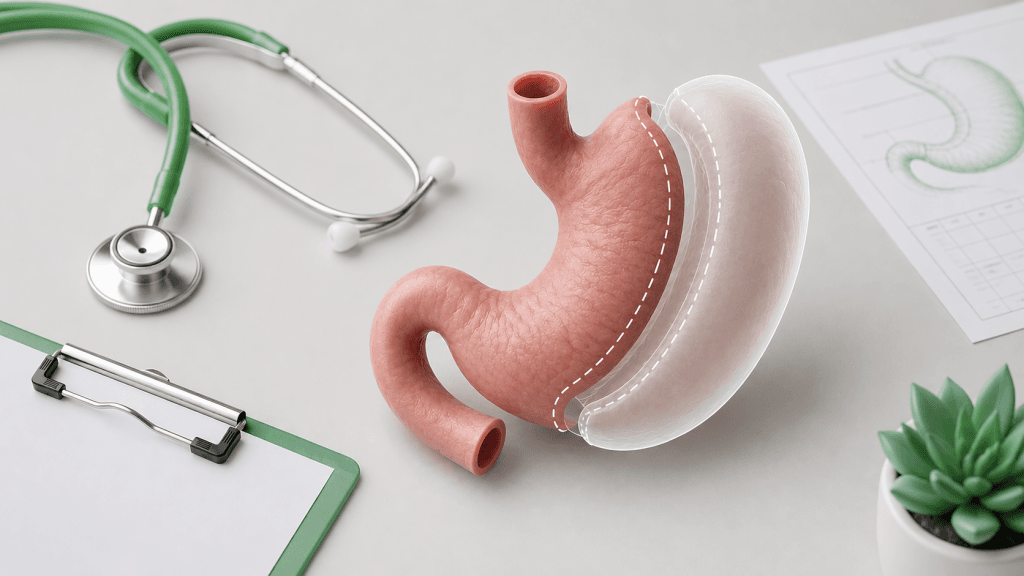
One of the most common questions patients ask before gastric sleeve surgery is: “What will recovery actually look like?”
Sleeve gastrectomy is usually performed laparoscopically, meaning the operation is performed through small incisions using minimally invasive techniques. Most patients recover relatively quickly, but the timeline varies depending on individual health, fitness, the nature of their work and how their body responds to surgery.
Recovery involves more than just healing from the operation. It includes allowing the stomach to heal, gradually progressing food intake, rebuilding activity levels and developing sustainable long-term eating habits.
This article provides a general overview of recovery after gastric sleeve surgery. Your surgeon and dietitian will provide a plan tailored to your individual circumstances.
How Long Does Recovery From Gastric Sleeve Surgery Take?
There is no single recovery timeline that applies to everyone.
Because gastric sleeve surgery is usually performed laparoscopically, many patients are able to return to normal daily activities relatively quickly. Patients with office-based or less physically demanding jobs can often return to work after approximately one week if their recovery is uncomplicated.
People with more physically demanding jobs may require longer before returning to full duties.
Driving and returning fully to work should be discussed with your surgical team and GP. You should only drive when you feel comfortable, are no longer affected by strong pain medication, and can safely perform emergency movements such as braking.
The First Days After Surgery
Most patients stay in hospital for around two nights following gastric sleeve surgery, although this can vary depending on individual recovery.
During the early recovery period, the focus is on:
- pain management and comfort
- early mobilisation
- maintaining hydration
- monitoring recovery
- commencing the post-operative eating plan
Before discharge, your surgical and dietetic team will provide instructions regarding fluids, medications, activity and symptoms that require medical attention.
Read more: Recovering After Bariatric Surgery
The Staged Diet After Gastric Sleeve Surgery
After surgery, food intake progresses gradually while the stomach heals.
The exact timing varies between individuals, but the general stages include the following.

Stage 1: Liquid diet
In the early period after surgery, intake focuses on fluids and maintaining adequate hydration.
The goals are:
- drinking enough fluid
- meeting protein requirements
- supporting healing
Patients usually consume small amounts frequently, with protein supplements used if recommended by their dietitian.
Stage 2: Pureed and mashed foods
As recovery progresses, smooth-textured foods are gradually introduced.
The focus remains on:
- adequate protein intake
- small portion sizes
- eating slowly
- learning how your new stomach tolerates different foods
Your dietitian will guide you on appropriate food choices during this stage.
Stage 3: Soft foods
Patients then progress to soft, easy-to-chew foods.
This may include:
- soft protein sources
- cooked vegetables
- other foods that are comfortable to tolerate
Patients are encouraged to eat slowly, chew thoroughly and recognise early feelings of fullness.
Stage 4: Returning to regular healthy eating
Over time, patients transition to a balanced long-term eating pattern.
The focus is usually on:
- including protein with meals
- eating nutrient-rich foods
- smaller portion sizes
- avoiding unnecessary snacking
- developing sustainable eating habits
Many patients find it helpful to avoid drinking at the same time as meals, as this can affect fullness and eating patterns.
Read more: Preparing for Bariatric Surgery: A Guide for Patients
Gastric Sleeve Recovery Timeline
| Stage | Typical duration | Focus |
|---|---|---|
| Liquids | 2-3 weeks | Hydration, protein intake and stomach healing |
| Pureed/mashed foods | 2-3 weeks | Small smooth meals and maintaining nutrition |
| Soft foods | 2-3 weeks | Gradual introduction of easy-to-chew foods |
| Regular healthy eating | Ongoing | Sustainable eating habits and long-term nutrition |
The timing varies between individuals. Your bariatric dietitian will provide a progression plan suited to your recovery.

Returning to Activity After Gastric Sleeve Surgery
Movement is encouraged early after surgery.
Most patients are encouraged to:
- walk regularly soon after surgery
- gradually increase daily activity
- return to exercise progressively
The timing of more strenuous activities, lifting and structured exercise depends on individual recovery and should be discussed with your surgical team.
Read more: Exercise After Bariatric Surgery: A Simple Guide
Long-Term Recovery and Follow-Up
Recovery after gastric sleeve surgery continues well beyond the first few weeks.
Long-term care includes:
- regular health reviews
- monitoring nutritional status
- blood tests when required
- vitamin and mineral supplementation
- ongoing dietary support
Weight loss after sleeve gastrectomy occurs gradually, usually over the first 12-18 months. The amount of weight lost varies between individuals and depends on factors such as starting weight, metabolism, eating habits, physical activity and individual response.
The early focus should be on healing, nutrition and establishing healthy long-term behaviours.
Read more: How Much Weight Can I Lose with Gastric Sleeve Surgery?
About MBSA
At MBSA, we provide comprehensive bariatric surgery care from preparation before surgery through to long-term follow-up.
Our program includes support from bariatric surgeons and an experienced in-house bariatric dietitian. Patients have access to face-to-face dietitian consultations at our clinic, with telehealth options available for patients who cannot attend in person.
Our structured follow-up program includes two years of review with our bariatric surgeons, bulk billed as part of the program, with ongoing support beyond this period.
For a full breakdown of surgery fees, private health insurance and out-of-pocket costs, see our guide to weight loss surgery costs.
Bariatric surgery is performed at accredited private hospitals including Knox Private Hospital, Holmesglen Private Hospital and Peninsula Private Hospital.
Frequently Asked Questions
When can I return to work after gastric sleeve surgery?
Many patients with office-based jobs can return to work after around one week if their recovery is uncomplicated. Those with physically demanding roles may require longer. Your return to work should be based on how you are recovering and discussed with your surgical team and GP.
When can I drive after gastric sleeve surgery?
Driving should only resume when you feel comfortable, are able to perform emergency movements safely and are no longer affected by medications that may impair alertness. Discussing your return to driving with your GP or surgical team is recommended.
When can I eat normally after gastric sleeve surgery?
Eating progresses gradually from liquids to pureed foods, soft foods and eventually regular healthy eating. The timeline varies between individuals, and your dietitian will provide a personalised plan.
Will I need vitamins after gastric sleeve surgery?
Yes. Long-term vitamin and mineral supplementation and nutritional monitoring are generally required after bariatric surgery to reduce the risk of deficiencies.
What are the risks during recovery?
All surgical procedures carry risks, and recovery varies between individuals. Your surgeon will discuss the specific risks before surgery. If you develop concerning symptoms after surgery, you should contact your surgical team promptly.
Disclaimer: This article is intended for general informational purposes only. It does not constitute medical advice. Individual outcomes vary. Patients should consult a qualified medical professional before making decisions about surgical or medical treatment.
