



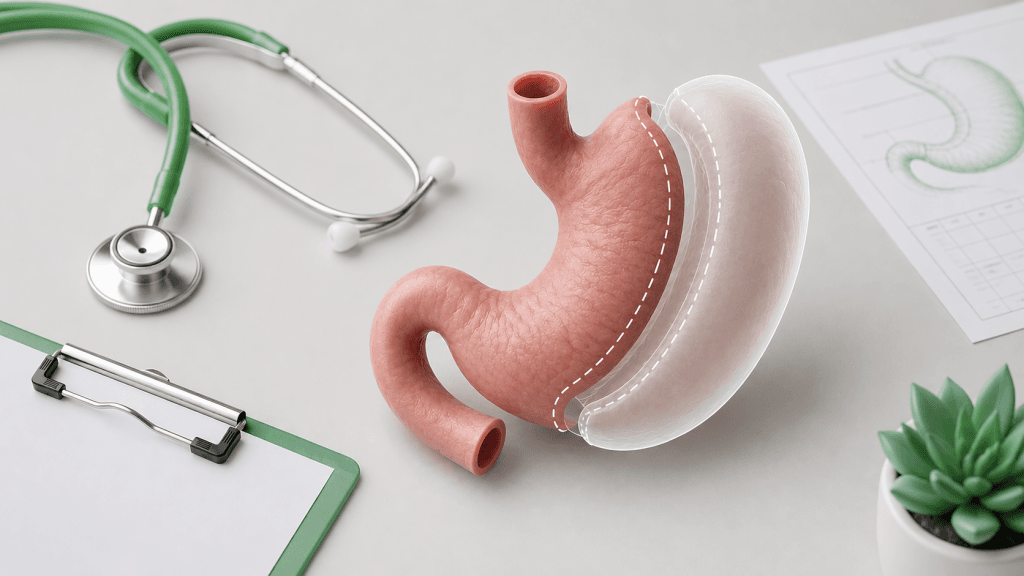
One of the most common questions I am asked by patients considering weight loss surgery is: “Will I keep the weight off?”
The short answer is that, for most patients, bariatric surgery can provide significant and lasting weight loss.
After more than 18 years of performing bariatric surgery, I have seen many patients maintain a substantial amount of their weight loss for many years. I have also seen patients regain some weight. This is important to understand because obesity is a chronic condition, and surgery is part of its long-term treatment.
The operation can make a significant difference, but what happens after surgery also matters.
How much weight can you lose with surgery?
The amount of weight lost is different for every patient, but we now have good Australian data showing what long-term results look like in real-world practice.
A large Australian study published in the ANZ Journal of Surgery followed more than 120,000 patients who underwent bariatric surgery. At five years, the average total body weight loss was:
| Procedure | Average weight loss at 5 years |
| One-anastomosis gastric bypass (mini gastric bypass) | 34.9% |
| Roux-en-Y gastric bypass | 30.7% |
| Gastric sleeve | 26.5% |
| Adjustable gastric band | 17.6% |
These are averages across a very large group of patients, so they should not be taken as a prediction for an individual.
Gastric Sleeve vs Gastric Bypass: What Is the Difference?”
For example, someone who starts at 120 kg and loses 30% of their total body weight would lose around 36 kg, bringing their weight to approximately 84 kg.
The type of surgery is one factor, but starting weight, age, medical conditions, eating habits, activity and other individual factors can all influence the result.
How does surgery compare with weight loss injections?
This is a question I hear much more often now.
Medications such as semaglutide and tirzepatide have changed the way we treat obesity, and they can be very effective. We are also now getting more real-world data comparing these medications with bariatric surgery.
A 2026 US study looked at more than 44,000 adults with a BMI of 35 or higher and compared semaglutide, tirzepatide, sleeve gastrectomy and gastric bypass over three years. Wondering where you fit in? Check your BMI to see which options may be worth discussing with your doctor.
At three years, average total body weight loss was approximately 7% with semaglutide, compared with around 22% after sleeve gastrectomy and 28% after gastric bypass. Tirzepatide produced greater weight loss than semaglutide, but surgery still resulted in greater average weight loss in this study.
This does not mean surgery is the right treatment for everyone. Weight-loss medications are an important option and can be very effective for some patients. In other patients, medication and surgery can be used together.
Read more: Weight Loss Medications vs Bariatric Surgery: Understanding the Long-Term Differences
The important question is not simply whether surgery or medication is “better”. It is which treatment, or combination of treatments, is most appropriate for the individual patient.

Why does the weight loss last?
Bariatric surgery does more than make the stomach smaller.
The different operations affect appetite, hunger, fullness and some of the hormonal signals involved in regulating food intake. This is one of the reasons surgery can produce more substantial and durable weight loss than lifestyle changes alone for people with severe obesity.
I often explain to patients that surgery is a tool. It changes some of the biological factors that make long-term weight loss difficult, but patients still need to develop sustainable eating and lifestyle habits.
What about weight regain?
Some weight regain can happen after bariatric surgery. It does not automatically mean that the operation has failed.
People’s circumstances change over time. Eating patterns can change, activity levels can change, medications can affect weight, and the biology of obesity does not disappear simply because someone has had an operation.
What matters is the overall long-term result.
If a patient starts to regain a significant amount of weight, I would encourage them to come back and discuss it rather than simply accepting it. Depending on the situation, we may look at nutrition, eating patterns, medication, activity and, in selected cases, whether further treatment is appropriate.
Does surgery improve health as well as weight?
For many patients, the benefits go well beyond the number on the scales.
Weight loss following bariatric surgery can improve conditions associated with obesity, including type 2 diabetes, high blood pressure and obstructive sleep apnoea. Some patients are also able to reduce their medications under the supervision of their treating doctor.
The degree of improvement varies between patients, but these health benefits are an important part of why bariatric surgery is considered a medical treatment for obesity.

Why I believe long-term support matters
In my experience, the operation is only one part of achieving a good long-term result. What happens after surgery is just as important.
At MBSA, we have built our program around ongoing support rather than simply seeing patients through the operation. Our patients have access to an in-house dietitian, regular surgical follow-up and a large patient support group where they can stay connected with others who have been through a similar experience.
I believe this ongoing support is particularly important because weight management does not stop once the operation is over. Patients can have questions about food, nutrition, weight changes or lifestyle months and years after surgery, and having a team they can come back to can make a real difference.
Our aim is not simply to perform the operation and send patients on their way. We want to remain involved in their care and support them over the longer term.
What helps maintain the results?
Long-term follow-up is an important part of bariatric surgery.
Patients need appropriate nutrition, vitamin and mineral supplementation and regular blood tests, with follow-up tailored to the type of surgery they have had.
I also encourage patients to stay connected with their bariatric team. If there is a problem with weight, nutrition or eating habits, it is much easier to address it early.
So, does weight loss surgery work long term?
For many patients, yes.
The Australian data show that gastric sleeve and gastric bypass procedures can produce substantial weight loss that is maintained over five years. Newer real-world US data also show that surgery can produce greater average weight loss than commonly used GLP-1 medications over three years.
But there is no single result that applies to everyone.
When I assess someone for bariatric surgery, I look beyond their weight. I consider their health, medical conditions, eating patterns, previous attempts at weight loss and what type of operation is likely to be appropriate for them.
The aim is not simply to lose weight. It is to achieve a meaningful and sustainable improvement in health and quality of life.
Frequently asked questions
How long does weight loss surgery last?
The effects of surgery are long term, although weight can change over time. Maintaining the benefits requires ongoing attention to nutrition, activity and follow-up.
Can you regain weight after bariatric surgery?
Yes. Some weight regain can occur, but significant regain should be assessed rather than simply accepted as inevitable.
Which bariatric surgery gives the most weight loss?
On average, gastric bypass procedures produce more weight loss than sleeve gastrectomy, but the most appropriate procedure depends on the individual patient.
Do I still need to diet after weight loss surgery?
The aim is not to follow a restrictive diet forever. Patients need to develop sustainable eating habits and follow the nutritional requirements of their particular operation.
Can weight-loss medication be used after surgery?
Yes. In selected patients, medication can be considered after surgery, particularly if weight loss has slowed or some weight has been regained.
